Common Fruit Fly (Drosophila melanogaster)
Common fruit flies are tiny members of the Diptera order that are perfect model organisms for genetic studies. They have short generation times, large amounts of offspring, easily discernible males and females, a simple genome of 4 chromosome pairs, and genes that produce clearly visible phenotypes and follow common inheritance patterns. All of these features make them a very easy choice to represent the methods of genetic inheritance in other organisms. The wild type (typical) fruit fly has an orange body, red eyes, and long, rounded wings; however, a wide array of recessive genes result in many combinations of mutant flies that can have bizarre traits like purple eyes, short wings, black bodies, and even legs growing out of their heads. Ecologically, their larval forms are omnivores of both fruit sugars and microorganisms that live on decomposing fruit.

Larvae

Pupa
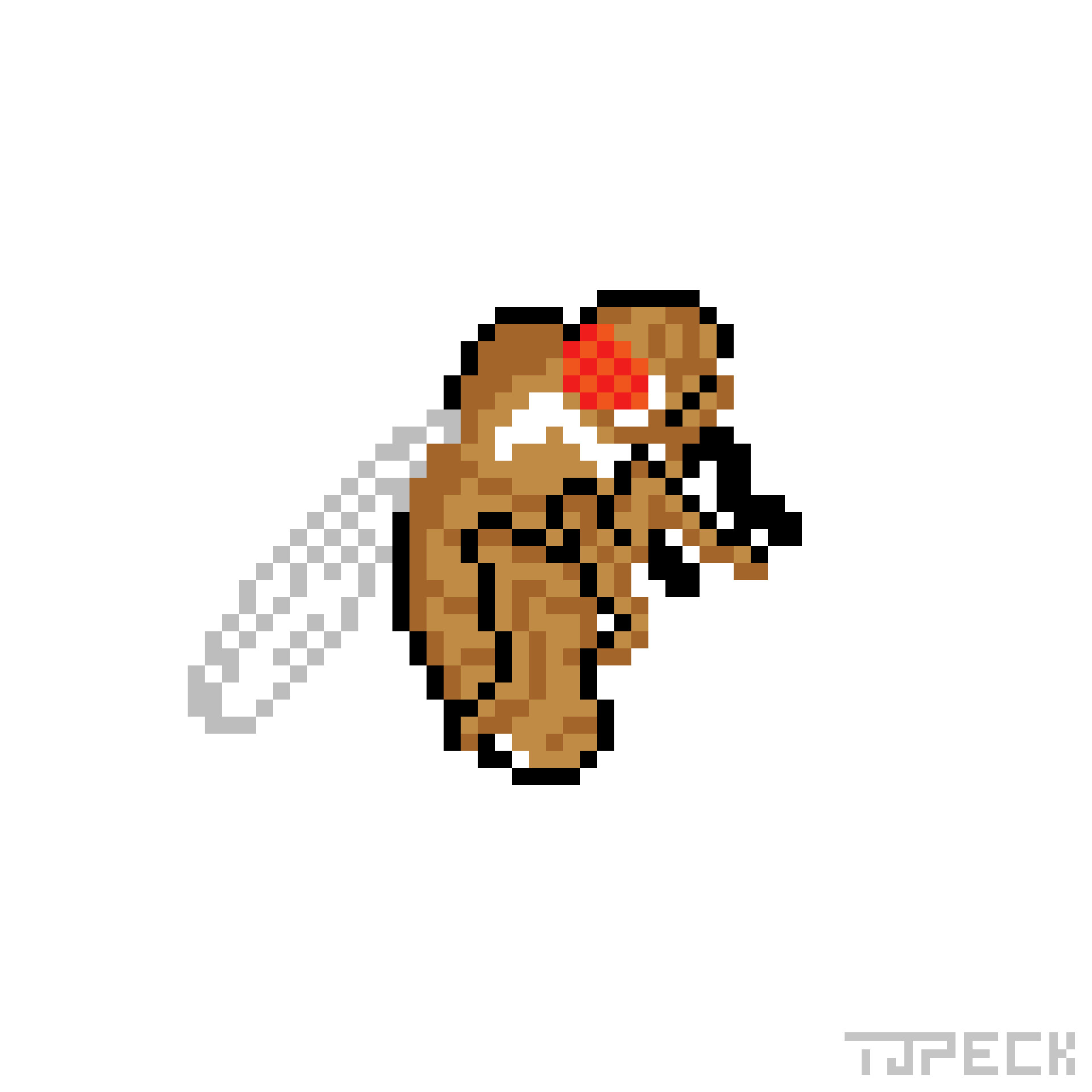
Wild Type Adult

Ebony-bodied, Purple-eyed, Curly-winged Adult Mutant

Black-bodied, Lobe-eyed, Dumpy-winged Adult Mutant

Eyeless, Yellow-bodied, Miniature-winged, Aristapedia-antennaed Adult Mutant

Tan-bodied, Bar-eyed, Residual-winged Adult Mutant