Pixel Compendium
Pixel Artist
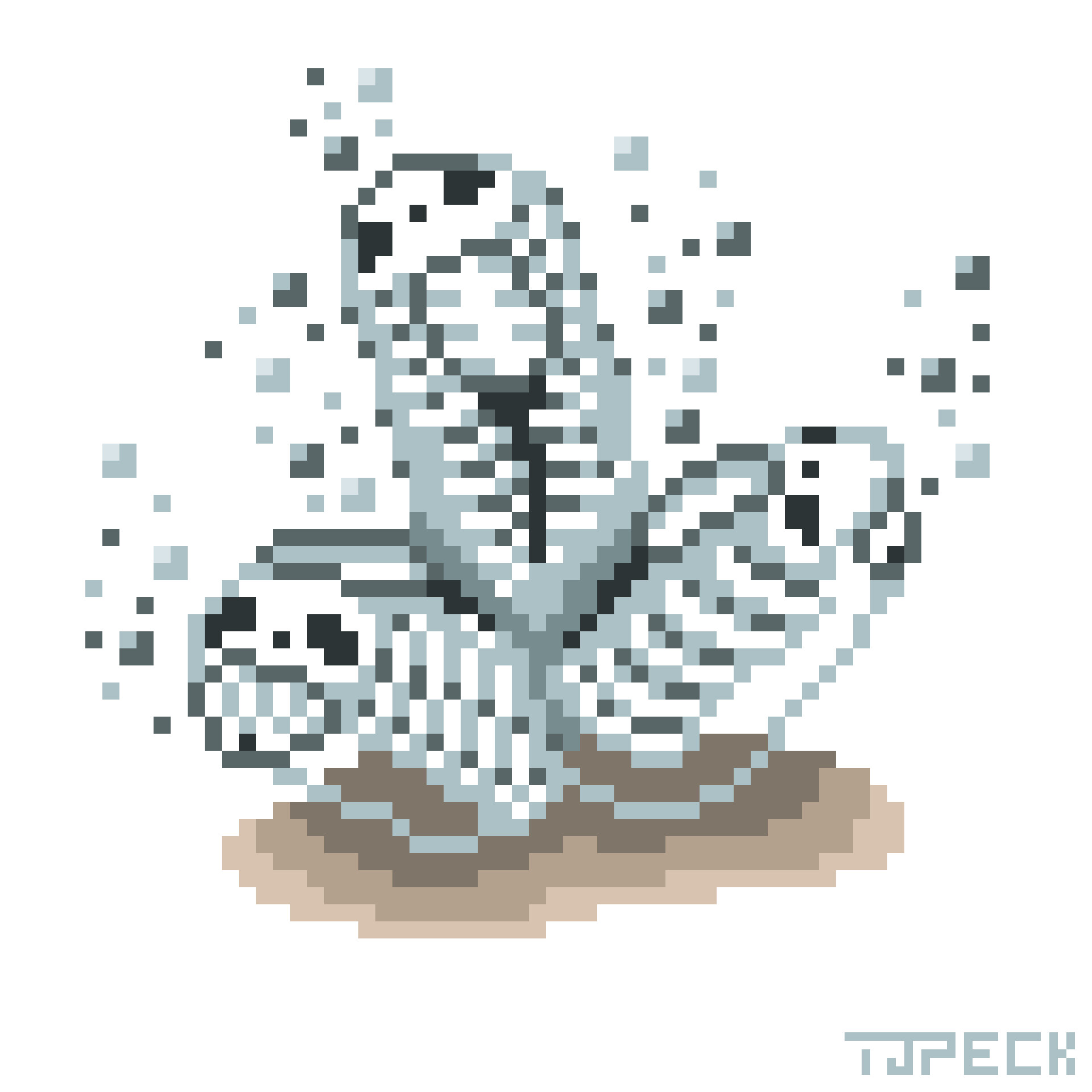
Skeleton Panda Sea Squirts (Polycitor proliferus)
Sea squirts, tunicates, or ascidians are marine filter feeders that play an important role in cleaning dead plant and animal debris out of the water. Most sea squirts have two pores called apertures - one to draw water in, and another to expel it out. They are also covered in a unique membrane called a tunic that gives them structure and protection. Despite being animals, the tunic is made up of a substance that is shockingly similar to cellulose - a material only found in the cell walls of plants. Unlike the sedentary adults, their larvae are capable of freely swimming like a tadpole. These larvae also possess a notochord - a primitive characteristic of vertebrate animals - making sea squirts one of our most distant relatives.